Sealcoating in Knoxville, TN
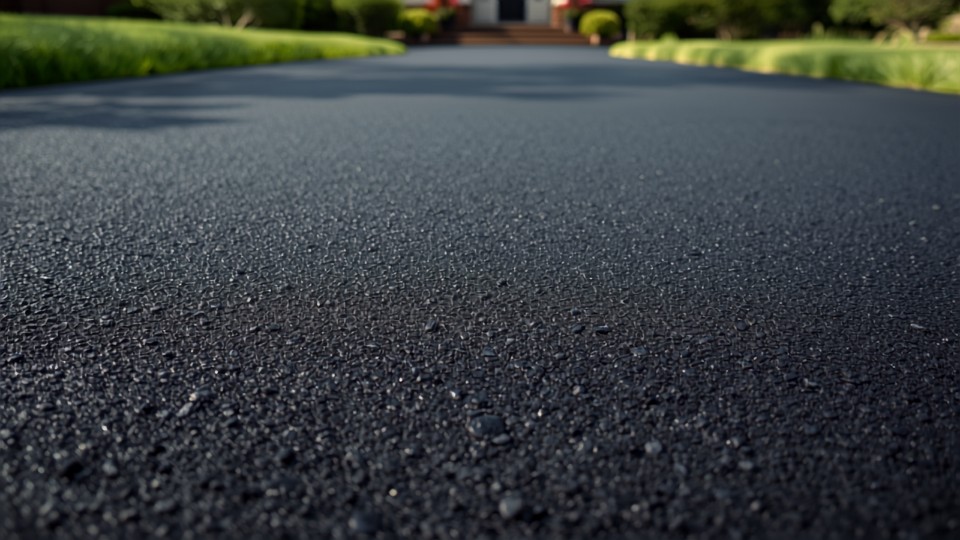
Sealcoating is the cheapest thing you can do to extend the life of good asphalt — and one of the most misunderstood. It’s protection, not repair. Done at the right time on the right driveway it buys you years. Done as a cover-up, it’s paint on a problem. Call (865) 500-5861 for a free quote.
What Sealcoat Actually Does
Asphalt is held together by binder, and binder is attacked by two things: UV and water.
Sun oxidizes the surface. That’s why an old driveway goes gray — you’re looking at binder that’s broken down, leaving exposed aggregate and a porous surface. Once it’s porous, water gets in. In East Tennessee, water that’s gotten in will freeze, and freezing water expands.
Sealcoat is a barrier against both. It blocks UV, it closes the surface against water, and it restores the black. That last part is why people buy it, but it’s the least important thing it does.
It also fills the fine surface texture that oxidation opens up, which slows the day-to-day wear from tires, sun, and the occasional gas or oil drip. What it does not do is add structural strength — a sealed driveway is a protected driveway, not a stronger one. The strength was decided by the base and the mat long before the sealer showed up.
Crack Filling Comes First — Every Time
Sealcoat and crack filler are two different products doing two different jobs, and the order is not negotiable. Crack filler is a flexible, often hot-poured rubberized material that goes down into a crack and stays flexible enough to move with it through the freeze-thaw season. Sealcoat is a thin surface coating measured in fractions of an inch — pour it over an open crack and it bridges the gap for a few weeks, then splits right back along the same line as the crack flexes underneath.
So on any driveway with real cracks, the sequence is: clean the cracks out, fill them, let them set, and only then seal the whole surface. Skipping the crack work to get to the black coat faster is the single most common way a sealcoating job fails early. If a crack is the interlocking alligator pattern, that’s not a crack-fill situation at all — it’s base failure, and we’ll tell you so instead of sealing over it.
When Sealcoating Is a Waste of Money
Over alligator cracking. If the base is failing, sealcoat hides the symptom for one season and changes nothing. The pattern comes back. Anyone willing to sealcoat over alligator cracking is selling you a look, not a service.
Before crack filling. Cracks get filled first. Sealcoat is not a crack filler — it’s a thin surface coat, and it will bridge a crack for about a month before splitting right along it.
On brand-new asphalt. New asphalt needs to cure and off-gas before it’s sealed. Too early and the seal won’t bond. Give it a season.
Too often. Sealcoat builds up. Layer after layer with no time in between gets brittle and starts cracking on its own. Every two to three years on a healthy driveway is the right cadence in this climate — not annually.
The Right Sequence
Clean the surface. Fill the cracks and let them set. Then seal — properly thinned, evenly applied, on a dry surface with a dry forecast. Knoxville summer humidity and afternoon thunderstorms both matter here; sealcoat needs dry time, and a storm two hours after application ruins the job.
Application itself is more than slopping it on. The surface gets swept and cleaned so the sealer bonds to asphalt and not to dust. Oil and gas spots get treated first, because sealer doesn’t stick to petroleum. Then it goes down in thin, even coats — usually two — cut and mixed to the right consistency, worked into the surface rather than puddled. Two proper thin coats outlast one thick one, which skins over on top and stays soft underneath. Then it needs dry time and warmth to cure before traffic, which in a humid Knoxville summer means watching the forecast as closely as the calendar.
Store Sealer vs. Commercial-Grade
You can buy driveway sealer in a bucket at any hardware store, and for a small, newer drive a careful homeowner can get a season or two out of it. The honest differences are coverage, solids content, and prep. Bagged consumer sealer is typically thinner and lighter on the solids that actually do the protecting, it wears off faster, and the results live and die on how well the surface was cleaned and how evenly it went down. Commercial-grade material applied over properly cleaned, crack-filled asphalt simply lasts longer and protects better. Neither one fixes a driveway that’s failing structurally — that’s the mistake both a bucket and a contractor can make if the base is ignored.
Sealcoating FAQ
How often should I sealcoat in Knoxville? Every two to three years on a driveway in good shape. More often is wasted money and can cause its own problems.
How much does sealcoating cost? It’s priced by square footage and surface condition. Free quote — call (865) 500-5861.
How long before I can drive on it? Typically 24 to 48 hours depending on temperature and humidity. We’ll tell you on the day.
My driveway has cracks — can you just seal it? Cracks get filled first, always. If the cracking is the interlocking alligator pattern, sealcoat isn’t the answer at all and we’ll tell you so.
When’s the best time of year to sealcoat in Knoxville? Late spring through early fall, on a warm, dry stretch. Sealer needs warmth and dry time to cure, so we watch the humidity and the afternoon-thunderstorm forecast, not just the temperature.
Will sealcoating fix my drainage or my potholes? No. Sealcoat is a surface protectant. Standing water, potholes, and soft spots are grade or base problems — they get addressed with grading and repair first, and sealing comes after, if at all.
How soon can a brand-new asphalt driveway be sealcoated? Not for at least 90 days, and waiting a full season is better. New asphalt is still releasing the oils that keep it pliable, and sealing over it too early traps them — the result is a soft surface that scuffs under a turning tire and marks in summer heat. A new driveway does not need protecting in its first year; it needs curing.
How much does sealcoating cost in Knoxville? Generally about $0.15 to $0.35 per square foot, which puts a typical residential driveway somewhere around $150 to $450. Price moves with how much crack filling has to happen first and how much cleaning and edging the surface needs, not with the sealer itself.
Will sealcoating cover an oil stain? Not on its own — sealer will not bond over oil, and skipping the prep leaves a patch that peels away within a season. Oil has to be degreased and scrubbed out of the surface first, and a spot that has soaked in deeply enough to soften the asphalt is a repair, not a cleaning. Fresh drips lift far more easily than a stain that has sat through a summer.
Get Your Sealcoating Quoted
We’ll look at whether your driveway is a good candidate — and tell you if it isn’t. Call (865) 500-5861.