Gravel to Asphalt Driveway Paving in Knoxville, TN
Paving a gravel driveway in Knoxville, TN — what it takes to turn a stone drive into asphalt that lasts. Call (865) 500-5861 for a free quote.
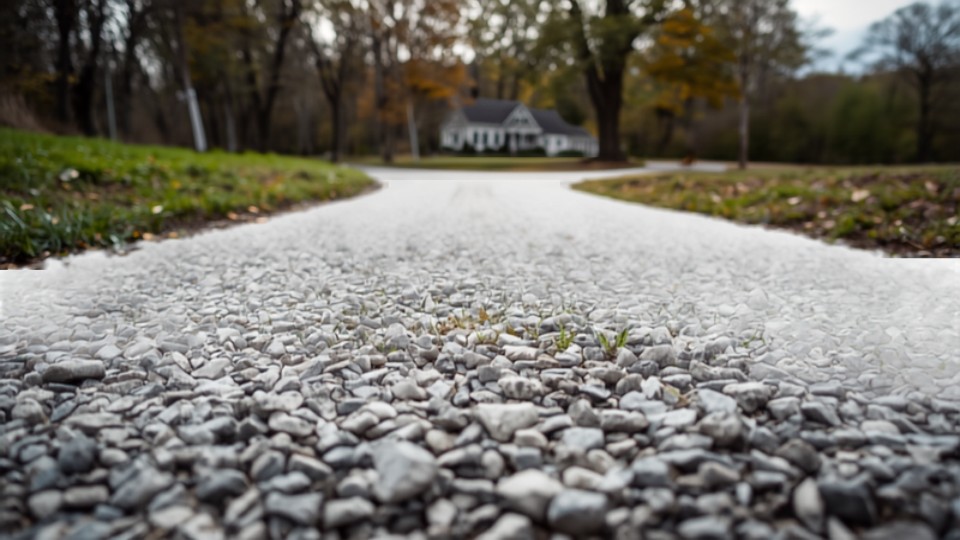
A lot of drives in Knox County are still gravel, and most of them have been gravel for decades. The question that brings people to this page is usually some version of: can you just lay asphalt on top of what is already there? Sometimes yes. Often not. The answer depends on what the last thirty years did to the stone under your tyres, and the only way to know is to look.
Why Gravel Is Actually a Good Starting Point
Here is the thing nobody says out loud: a gravel drive that has been in place for years has already done the hard part. It has been driven on through every wet season since it went in, and whatever was going to settle has settled. That is a compacted stone base, which is precisely what asphalt needs underneath it.
Compare that with a new drive cut into raw ground, where the base is placed and compacted in a week and then asked to behave. The gravel drive has a head start measured in years.
The base is the job. Everything on this page follows from that. Asphalt is the wearing surface; the stone under it carries the load and moves the water. A drive fails from the bottom, not the top.
What Has To Be True Before Asphalt Goes Down
Enough stone, and the right stone. Years of traffic push aggregate down into the clay and scatter the rest into the grass. What looks like a solid gravel drive is often a thin skin of stone over subgrade in the wheel tracks and a deep bed everywhere else. Depth gets checked, not assumed, and more base gets added where it is short.
Clean stone, not mud. Gravel that has been contaminated with clay and organic material behaves like clay, not like stone. It has to come out or be built over properly. This is the single most common reason a gravel-to-asphalt job goes wrong.
The water has somewhere to go. Gravel is forgiving about drainage because it drains through itself. Asphalt is not — it is a sealed surface, and every gallon that used to soak straight down now has to run somewhere. A drive that was fine as gravel can pond badly the week after it is paved if nobody thought about grade first. This catches people out constantly.
A crown or a fall. The finished surface has to shed water to one side or off the middle. Flat holds water, and water sitting on asphalt gets underneath it. The same fundamentals apply to any new driveway paving job; converting from gravel just means the base question is answered on site rather than assumed.
The East Tennessee Complication
Knox County clay swells when it is wet and shrinks when it dries, and it does that under everything you build on it. A gravel drive absorbs that movement because loose stone rearranges itself. Asphalt cannot rearrange itself — it cracks instead.
That is why base depth matters more here than the brochure numbers suggest, and why a thin overlay straight onto old gravel is such a common failure. The stone layer is what isolates the pavement from the clay underneath. Cut it short and the clay's seasonal movement transfers straight into your new surface.
The other local factor is slope. On a graded gravel drive the run-off cuts channels you can rake out every spring. Once it is paved, that same run-off concentrates along an edge, and edges are where asphalt is weakest. Long sloped drives usually want attention paid to where the water leaves, not just where it lands.
What the Work Involves
Grading first — reshaping what is there into the profile the finished drive needs, which is rarely the profile it has. Then base correction, adding and compacting stone where the depth is short and removing material that is too contaminated to build on. Then compaction of the whole run, so the base is dense before anything is laid on it. Then the asphalt, placed hot, raked at the edges, and rolled while it will still move.
Edges deserve a mention of their own. A gravel drive has no edge — it fades into grass. An asphalt drive has a defined edge that is unsupported unless something holds it, and unsupported edges crumble under the first tyre that clips them. Backfilling the shoulder so the edge is held is a small step that decides how the drive looks in five years.
Width, and the Thing People Regret
Paving is the moment to fix the width, the turnaround, and the parking area, because doing it later means cutting into finished pavement. If two cars have been passing each other on the grass for ten years, say so before the grade work starts rather than after the asphalt is down.
Gravel Driveway Paving FAQ
Can you just pave over my existing gravel? Sometimes, and it is genuinely the best case — a well-compacted, clean, deep stone base is what you would build anyway. But it gets checked for depth, contamination and grade first. Paving over gravel that fails those checks is how a new drive cracks in its first year.
How much gravel do I need under asphalt? More on clay than the general figures suggest, and more under a drive that takes delivery trucks or an RV than under two cars. Ask any bidder for base depth and asphalt depth as two separate numbers, in writing, and compacted rather than loose. That one line explains most of the gap between two quotes.
Is paving a gravel driveway cheaper than a new one? Usually, because the base is partly built already. How much cheaper depends entirely on what the base inspection finds. A drive needing heavy correction can cost close to a new build, and that is worth knowing before the work starts rather than midway through.
My gravel drive drains fine. Will the asphalt? Not automatically, and this is the most common surprise. Gravel drains down through itself; asphalt is sealed and sheds water sideways. Grade and run-off get designed as part of the job, or the new drive puts water somewhere you did not want it.
How long does the work take? A residential drive is normally a short job once the base is right, though the base work itself is what varies. Weather governs the paving day — asphalt needs warm ground, so late spring through early autumn is the window here.
Can I still park on it right away? Not immediately. New asphalt needs time to cure and firm up, and it stays soft in hot weather longer than people expect. We will tell you the actual timeline for your job rather than a stock number.
Get Your Gravel Driveway Quoted
Call (865) 500-5861 and describe the drive — how long, how steep, what it carries, and where the water runs when it rains hard. Free on-site quote.